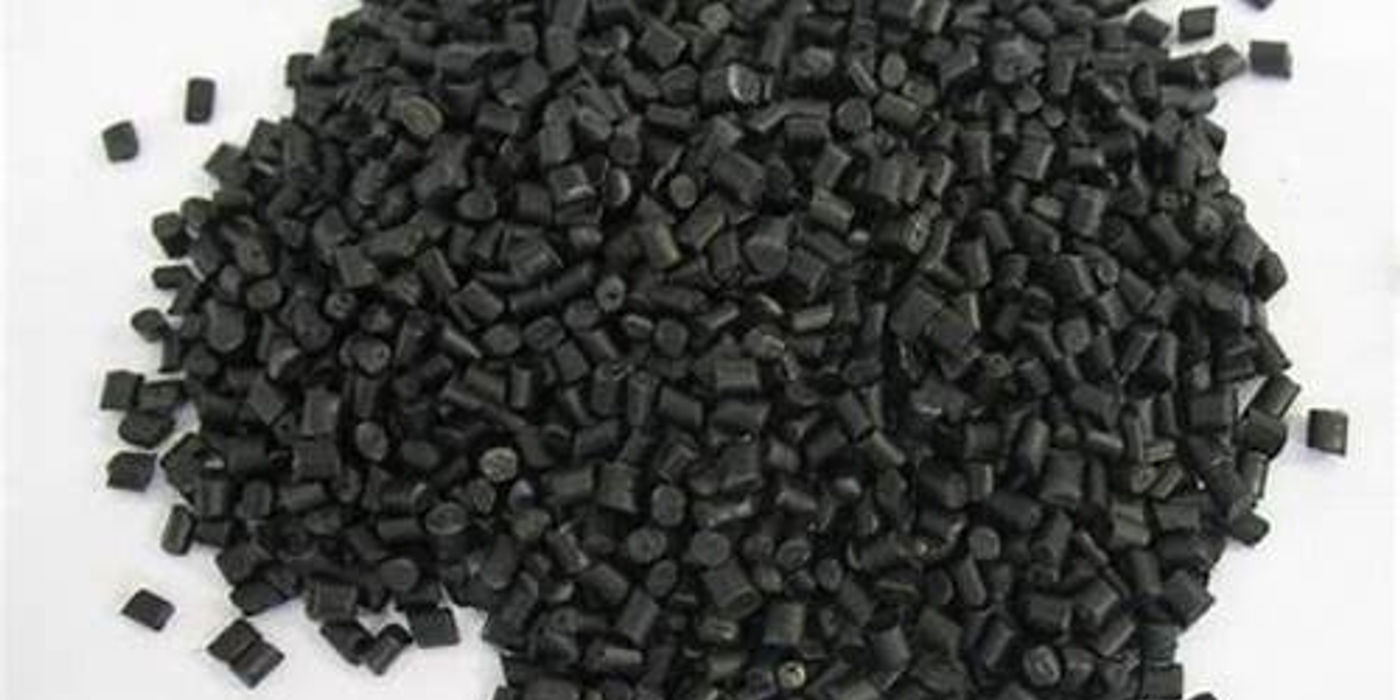
Carbon-fibre reinforced polyamide occupies the top of our performance ladder. Short carbon fibres dramatically raise stiffness and specific strength while adding electrical conductivity — a combination impossible to achieve with glass or mineral fillers. The result is a structural material that can directly replace aluminium and zinc die-castings at a fraction of the weight.
Technical Specifications
| Base resin | PA6 / PA66 |
| Carbon fibre content | 10 – 30 % |
| Density | 1.20 – 1.30 g/cm³ |
| Tensile strength | 140 – 200 MPa |
| Flexural modulus | 12 – 18 GPa |
| Surface resistivity | 10² – 10⁴ Ω |
| HDT (1.8 MPa) | 200 – 215°C |
Applications
- Petrochemical valve and pump housings
- Power-generation structural brackets
- Precision engineering gears and cams
- Defence equipment structural shells
- Aerospace interior structural parts
- ESD-safe enclosures and trays
- Automotive structural brackets
Advantages
- Does not accumulate fatigue microcracks — exceptional cyclic-load endurance
- Electrical conductivity eliminates static buildup and RF interference
- Highest specific strength of all PA composites — replaces metals directly
- Wide operating temperature range without dimensional drift
- Low coefficient of thermal expansion close to metals — better fit retention
- Low friction and outstanding wear resistance in dry conditions
- Excellent surface finish for visible structural parts
Technical Note: Carbon vs Glass
Carbon fibre gives roughly 3× the stiffness and 2× the strength of an equivalent glass-filled grade, at only marginally higher density. Its conductivity makes it uniquely suitable for ESD-sensitive environments. Glass-filled grades remain preferred when cost is the primary driver.