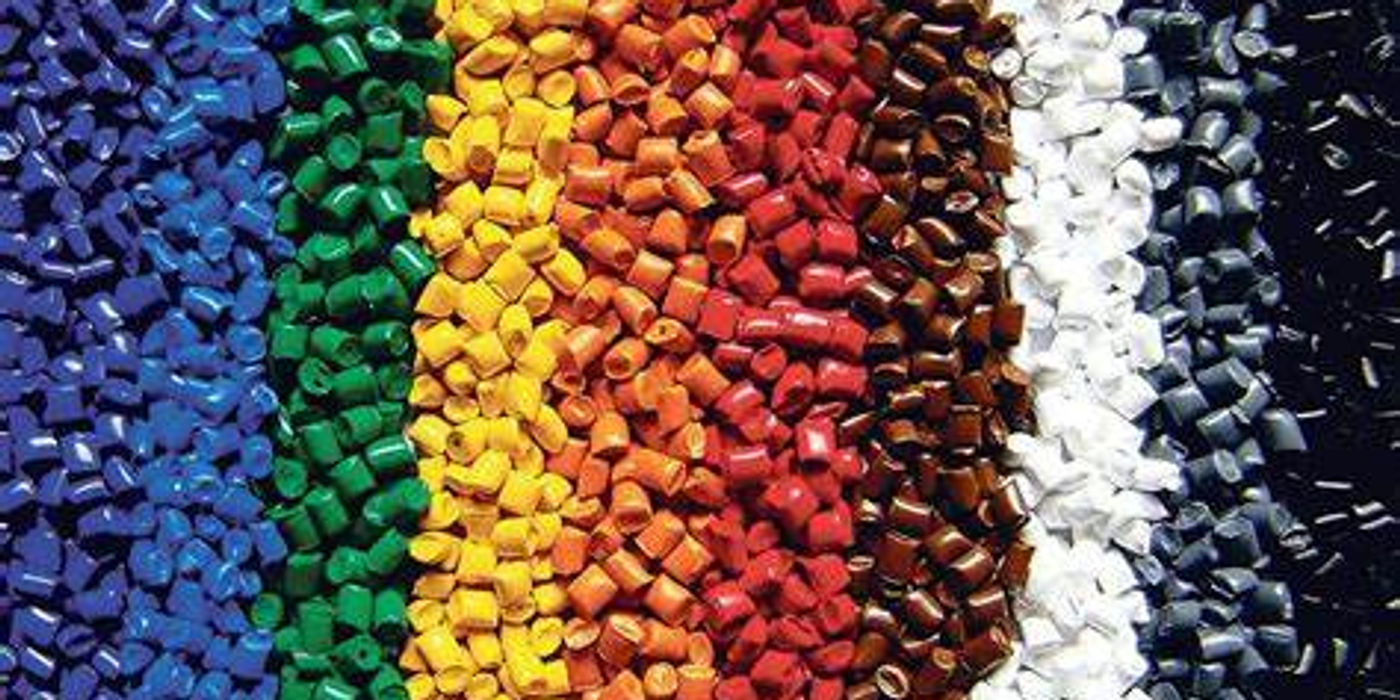
Colour is often a functional requirement, not just an aesthetic one: it aids component identification, brand compliance and inspection. Our colouring process uses heat-stable organic and inorganic pigments compounded directly into the PA matrix — not surface coatings — so the colour is permanent and does not fade, chip or rub off.
Technical Specifications
| Base resin | PA6 / PA66 (any grade) |
| Colour system | RAL, Pantone, NCS, custom sample |
| Colour stability | UV- and heat-stabilised options |
| Min. order quantity | Contact us |
| Lightfastness | Grade 6–8 (ISO 105-B02) |
| Processing method | Injection moulding, extrusion |
Applications
- Automotive interior trim parts requiring OEM colour matching
- Medical device housings with regulatory colour coding
- Consumer electronics enclosures with brand colours
- Sports and leisure equipment in vivid custom shades
- Electrical connectors with colour-coded identification
- Furniture hardware matching interior design palettes
Advantages
- Through-body colour — no risk of surface scratches revealing a different shade
- Colour development using Pantone, RAL, NCS or customer-supplied physical sample
- UV- and heat-stable pigment systems available for outdoor applications
- Full mechanical properties of base PA grade retained
- Batch-to-batch colour consistency within ΔE < 1.0 on request
- Combined with any filler or modifier in a single compounding step
- Faster time-to-market vs purchasing standard pellets and masterbatch separately
Colour Development Process
Send us your target colour — whether a RAL number, a Pantone code, or a physical reference part. Our colour lab formulates a matching pigment blend, we produce a trial batch, and you approve moulded plaques before full production. Lead time from sample submission to approval is short — contact us for details.