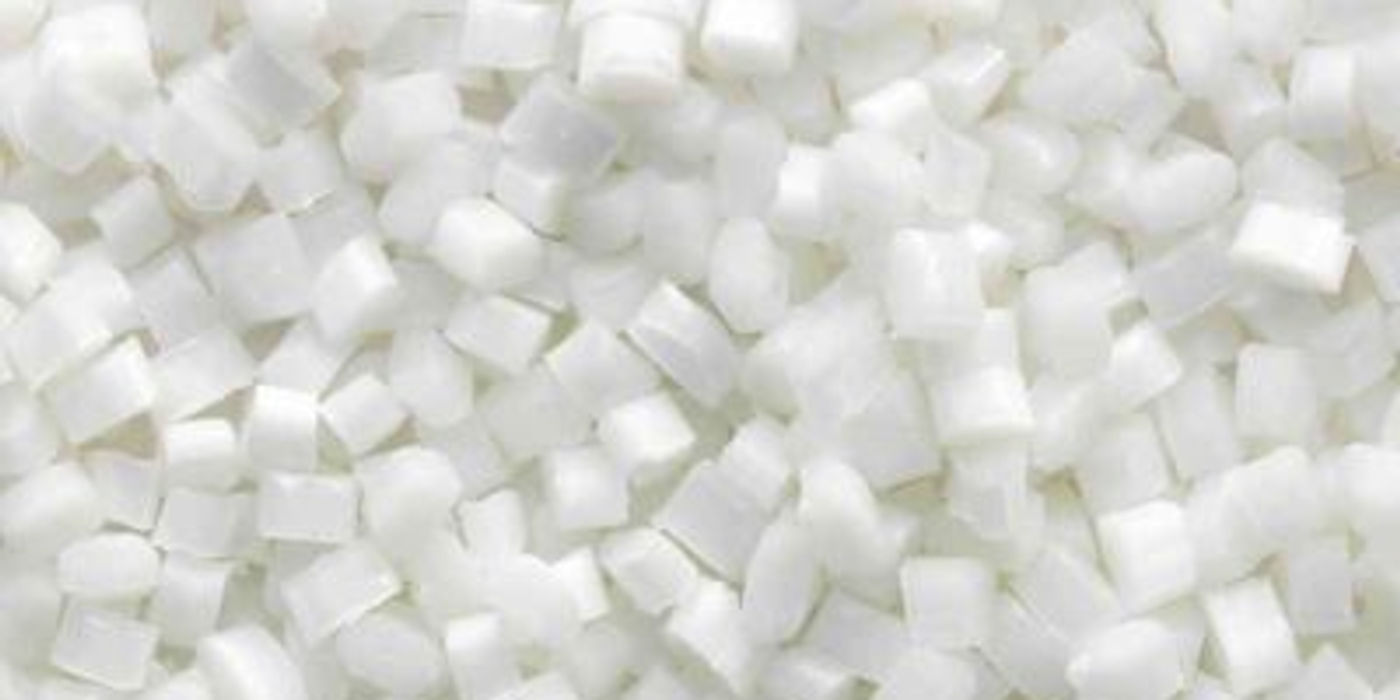
Standard polyamide is notch-sensitive — a sharp corner or surface scratch can initiate brittle fracture under impact. Impact-modified grades incorporate rubber or elastomeric toughening agents that absorb energy at crack tips, converting brittle failure to ductile yielding. The result is a part that deforms rather than shatters, even at sub-zero temperatures.
Technical Specifications
| Base resin | PA6 / PA66 |
| Modifier type | EPDM / elastomer toughener |
| Density | 1.05 – 1.10 g/cm³ |
| Notched impact (23°C) | 40 – 80 kJ/m² |
| Notched impact (-30°C) | 20 – 40 kJ/m² |
| Tensile strength | 45 – 55 MPa |
| Elongation at break | > 100% |
Applications
- Automotive door handles, lock parts, bumper clips and lining fasteners
- Furniture castor wheels and gliders
- Sports equipment frames, ski bindings and protective guards
- Heavy-duty cable ties and clamps
- Seals and gaskets in vibrating systems
- Parts operating without lubrication in friction assemblies
- Safety-critical housings subject to drop or impact loads
Advantages
- Ductile failure mode — bends rather than shatters under sudden impact
- Maintains toughness down to -40°C — suitable for cold-climate outdoor use
- 7× lighter than steel
- Low coefficient of friction — good for dry-running applications
- Excellent vibration damping reduces noise and wear
- Resistant to fuels, oils and mild chemicals
- Food- and water-contact compliant grades available
Impact Modification Explained
Rubber toughening works by dispersing micron-scale elastomer particles throughout the PA matrix. Under impact loading, these particles initiate multiple crazes and shear bands simultaneously, dissipating energy over a large volume instead of concentrating it at a single crack tip. The trade-off is a modest reduction in stiffness and tensile strength — typically 15–25% compared with the unmodified base grade.