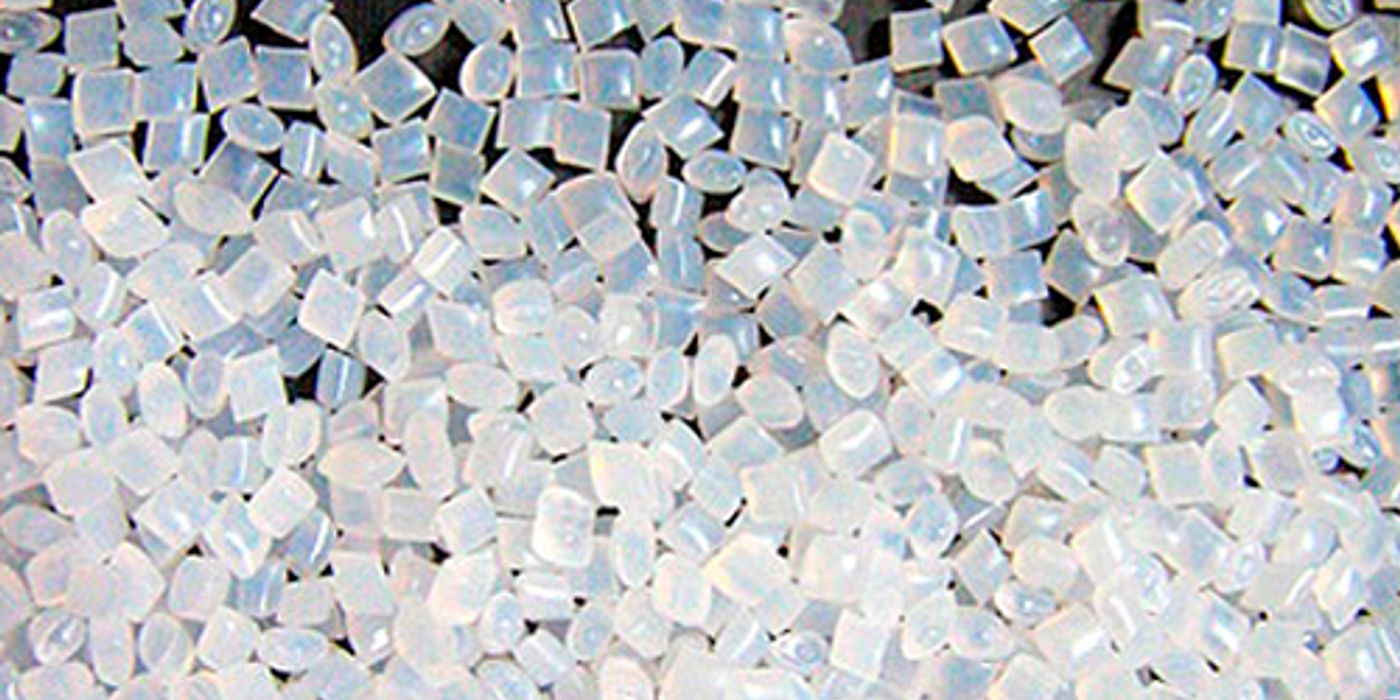
Glass-fibre reinforced polyamide is by far the most widely used engineering composite in the world. Adding 15–30% short glass fibres roughly triples tensile strength and doubles stiffness compared with unfilled PA, while keeping density below 1.4 g/cm³. The result is a material that replaces die-cast metals in millions of automotive, electrical and industrial applications every year.
Technical Specifications
| Base resin | PA6 / PA66 |
| Glass fibre content | 15%, 20%, 25%, 30% |
| Density | 1.26 – 1.37 g/cm³ |
| Tensile strength | 120 – 175 MPa |
| Flexural modulus | 7 – 11 GPa |
| Notched impact (23°C) | 8 – 14 kJ/m² |
| HDT (1.8 MPa) | 200 – 245°C |
Applications
- Automotive engine covers, intake manifolds, cooling system parts
- Electrical switchgear and circuit-breaker housings
- Industrial pump and valve bodies
- Power-tool housings and internal gears
- Petrochemical piping connectors and fittings
- Electronic connector bodies and plugs
- Medical diagnostic equipment structures
Advantages
- 3× higher tensile strength vs unfilled PA6
- Significantly raised heat deflection temperature — suitable for under-hood use
- High dielectric strength for HV electrical insulation
- Low shrinkage for tight-tolerance moulded parts
- Excellent resistance to hydrocarbons and mild chemicals
- Good surface finish — compatible with painting and metallising
- Compliant with automotive and electrical safety standards (UL94 grades available)
Grade Selection Guide
PA6 GF30 is the most cost-effective starting point. For higher thermal demands, switch to PA66 GF30 (HDT 245°C at 1.8 MPa). When surface finish is critical, specify a 15% or 20% loading. Flame-retardant UL94 V-0 variants are available across the glass-fibre range.